
Can I Run VR CPR?
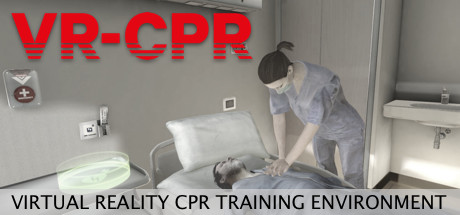
VR-CPR is a virtual reality simulation of emergency situations, designed to be a training tool for teaching the procedure of cardiopulmonary resuscitation (CPR). The system offers three photo-realisti...
Can your PC run it? →System requirements
Minimum requirements
| CPU | Intel Core i5-4590 (AMD FX 8350) or better |
|---|---|
| GPU | nVidia 1060 |
| RAM | 7.81 GB |
| Storage | 8.79 GB HDD |
| OS | Windows 10 |
| DirectX | Version 10 |
Recommended requirements
| CPU | Intel i7 |
|---|---|
| GPU | nVidia 1080 |
| RAM | 15.62 GB |
| Storage | 8.79 GB HDD |
| OS | Windows 10 |
| DirectX | Version 12 |
Single source, verify with the publisher source
Scores are deterministic, computed by fixed rules and benchmark tables, not written by an AI. How we score. Maintained by Farhad Ali. Spotted a wrong specification? Tell us.
Can you run VR CPR?
VR CPR targets a mainstream modern PC: nVidia 1060 and 7.81 GB of RAM for the minimum, stepping up to nVidia 1080 for the recommended experience. No single part dominates the requirements, so a balanced mid-range build clears it.
Bottleneck: CPU
Find more you can run
See everything your PC can run →Frequently asked questions
Can my PC run VR CPR?
Upload your DxDiag file to Idxdiag's free checker and get a component by component compatibility verdict for VR CPR in seconds. No install required.
What are the minimum system requirements for VR CPR?
The minimum requirements are CPU: Intel Core i5-4590 (AMD FX 8350) or better; GPU: nVidia 1060; 7.81 GB RAM; OS: Windows 10.
How much storage does VR CPR need?
VR CPR needs about 8.79 GB of HDD storage.
What is the bottleneck for VR CPR?
On a typical modern PC (Ryzen 5 5600, RTX 3060, 16 GB RAM), the tightest component for VR CPR is the CPU.